
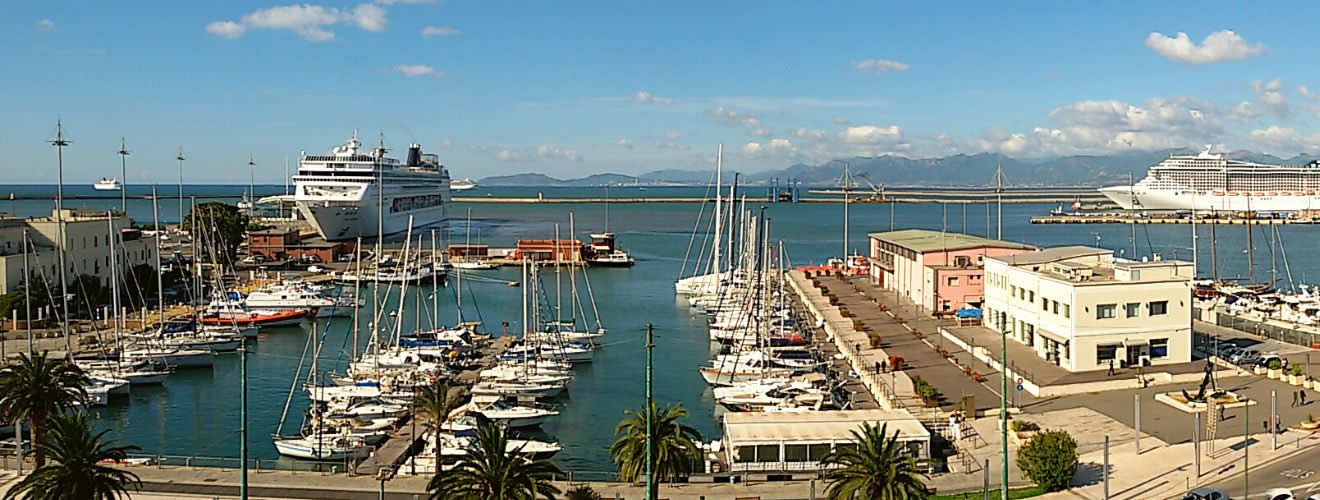
Answer the questions: “Una nuova città”

Improve your knowledge of the present indicative with this Italian exercise. Una nuova città Caro Giovanni, adesso abito a Cagliari, in un appartamento del centro storico. Cagliari è una città piccola e tranquilla, sul mare. Mi piace molto per il clima: c’è sole quasi tutto l’anno e si può andare al mare da maggio fino a ottobre! Lavoro in una […]

Read more

Italian Verb STARE (to stay)

Stare is an irregular verb. It is intransitive. It conjugates with the verb essere. Below you will find all its indicative forms (present, present perfect, imperfect, past perfect, past definite, past anterior, future simple and future perfect); all its subjunctive forms (present, present perfect, imperfect and past perfect); all its conditional forms (present and past); its imperative forms; its gerund (past and present); its infinitive (past and present) and its participles (past and present). Indicativo Presente […]

Read more

Italian Verb ESSERE (to be)

Essere is an irregular verb. It is intransitive. It conjugates with the verb essere. Below you will find all its indicative forms (present, present perfect, imperfect, past perfect, past definite, past anterior, future simple and future perfect); all its subjunctive forms (present, present perfect, imperfect and past perfect); all its conditional forms (present and past); its imperative forms; its gerund […]

Read more

Italian Verb DIRE (to say)

Dire is an irregular verb. It is transitive. It conjugates with the verb avere. Below you will find all its Indicative forms (present, present perfect, imperfect, past perfect, past definite, past anterior, future simple and future perfect); all its Subjunctive forms (present, present perfect, imperfect and past perfect); all its Conditional forms (present and past); its Imperative forms; its Gerund (past and present); its […]

Read more

Italian Verb VENIRE (to come)

Venire is an irregular verb. It is intransitive. It conjugates with the verb essere. Below you will find all its Indicative forms (present, present perfect, imperfect, past perfect, past definite, past anterior, future simple and future perfect); all its Subjunctive forms (present, present perfect, imperfect and past perfect); all its Conditional forms (present and past); its Imperative forms; its Gerund (past and present); its […]

Read more

Italian Verb DOVERE (to have to)

Dovere is an irregular verb. It is transitive. It conjugates with avere or essere, depending on the main verb used. If dovere is the main verb, it conjugates with the verb avere. Below you will find all its Indicative forms (present, present perfect, imperfect, past perfect, past definite, past anterior, future simple and future perfect); all its Subjunctive forms (present, present perfect, imperfect and past perfect); all […]

Read more

Italian Verb VOLERE (to want)

Volere is an irregular verb. It is transitive. It conjugates with avere or essere, depending on the main verb used. If volere is the main verb, it conjugates with the verb avere. Below you will find all its indicative forms (present, present perfect, imperfect, past perfect, past definite, past anterior, future simple and future perfect); all its subjunctive forms (present, present perfect, imperfect and past perfect); all its conditional forms (present and […]

Read more

Italian Verb POTERE (to be able to)

Potere is an irregular verb. It is transitive or intransitive. It conjugates with avere or essere, depending on the main verb used. If potere is the main verb, it conjugates with the verb avere. Below you will find all its Indicative forms (present, present perfect, imperfect, past perfect, past definite, past anterior, future simple and future perfect); all its Subjunctive forms (present, present perfect, imperfect and […]

Read more
1 19 20 21 22 23 40